The conclusion comes from a whitepaper written by pitch consultancy R3 based on 13 interviews with media and creative agency leaders, as well as several government agencies, from across the region. The report also draws on R3’s prior experience in the field.
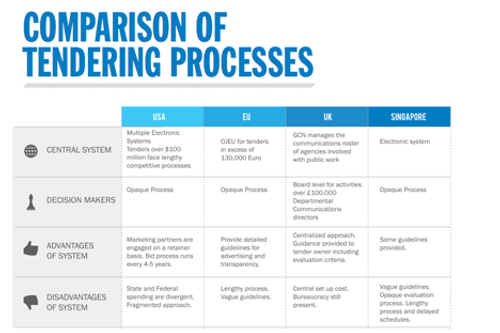
Overall, R3 has found that agencies around the world identify similar barriers when it comes to the tender process.
“The main reason that marketing and creative agencies choose not to take part in government tenders is the general lack of transparency in the overall process,” said Shu Fen Goh, principal and co-founder of R3. “This could range from an unclear brief with poorly communicated objectives to the lack of clarity in the decision making criteria."
Agencies are also very frustrated at the lack of feedback. One interviewee told R3 that after weeks of effort and investment, agencies “have no idea of where their hard work sits in the pile until the selection or shortlist is announced.”
There is also a perception that most tenders have been decided before they go out. “If you know someone on the inside and already have a relationship you must be more likely to win,” said one interviewee.
The bureaucracy agencies have to navigate is also a major deterrent, with one interview subject claiming that their agency has been dropped from tenders because they did not fill in a form correctly. “…did they even look at our work?" the report quotes the interviewee with asking. "Form filling has become more important than the work... it’s silly.”
Finally, many agencies have started to regard these tenders as a protracted waste of time because while the tenders often have timelines, they are seldom followed. While agencies are expected to adhere to tight turnaround times, clients often take longer than the scheduled time to make their evaluations and subsequent decisions.
If government agencies want to get the best agencies interested in their tenders, the above concerns need to be addressed by making the tender process clear and aboveboard, the report said. Tender documents should clearly state the evaluation criteria with the weightings so agencies are aware from the get go what they will judged on. Agencies also need higher returns on their investment, and R3 recommends that government agencies offer contracts of two years rather than just 12 months.
”The development of the expertise of in-house evaluation teams, the sharing of impartial advice and the actual benchmarking of the tender process against previous such tenders also leads to obvious improvement in the transparency of the entire tender process,” added Greg Paull, principal and co-founder with R3.